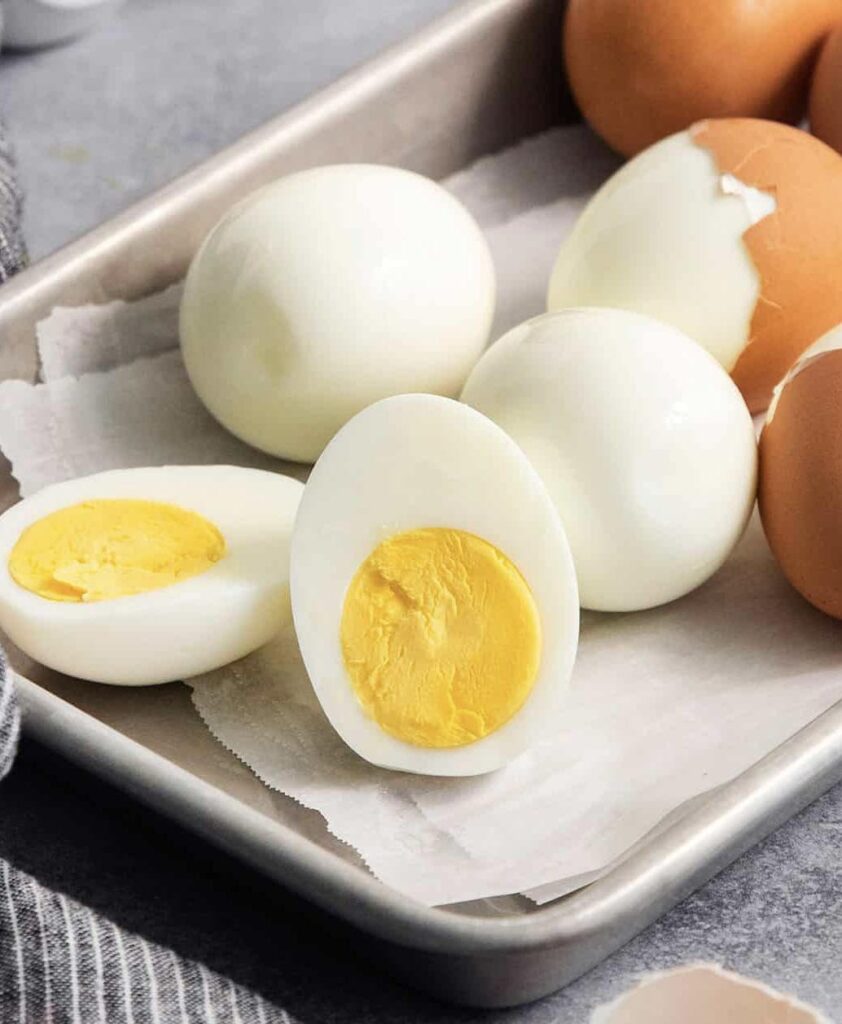
Hard-boiled eggs are more than just a simple, budget-friendly source of protein. They’re nutritious, portable, and incredibly versatile — making them a staple in kitchens around the world.
Yet behind their plain shell lies a collection of surprising facts and hidden benefits that many people overlook.
Here are 11 fascinating things you probably didn’t know about hard-boiled eggs.
1. Hard-Boiled Eggs Are America’s Favorite Preparation
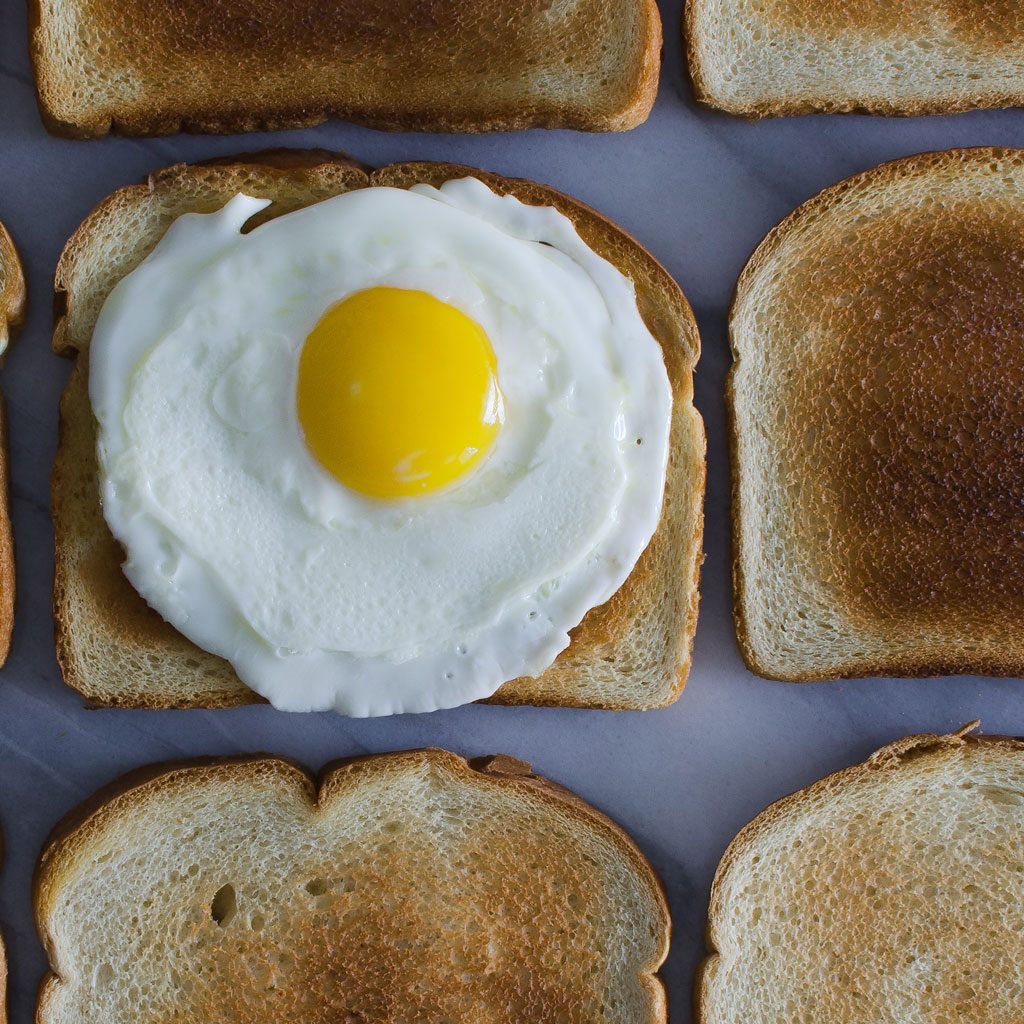
According to research by the food blog Pantry & Larder, hard-boiled eggs rank as the most popular way Americans prepare eggs. In fact, residents in 30 out of 50 states prefer them over fried, scrambled, or poached options.
Their simplicity and convenience make them a nationwide favorite.
2. They Deliver High-Quality, Complete Protein
One large hard-boiled egg contains about 6–7 grams of protein and includes all nine essential amino acids. That makes it a complete protein — ideal for muscle repair, energy, and overall health.
They’re perfect as a quick breakfast, post-workout snack, or midday boost.
3. They May Support Heart Health
Eggs were once criticized for their cholesterol content, but modern research suggests they can be part of a heart-healthy diet.
Studies show that eggs may increase HDL (“good”) cholesterol and improve markers linked to cardiovascular health when eaten in moderation.
4. Boiling Is One of the Healthiest Cooking Methods
Cooking method matters.
High-heat techniques like frying can promote cholesterol oxidation. Boiling, however, uses lower, steady heat, which helps preserve nutrients without adding unhealthy fats.
That makes hard-boiled eggs one of the cleanest ways to enjoy them.
5. There Are Many Tricks to Make Peeling Easier
Peeling hard-boiled eggs can be frustrating — but several tricks help:
-
Peeling under running water
-
Cracking and rolling the egg gently
-
Shocking eggs in ice water after boiling
-
Using slightly older eggs instead of very fresh ones
Finding the right technique can make all the difference.
6. Fresh Eggs Are Actually Harder to Peel
Very fresh eggs cling tightly to their inner shell membrane, making peeling more difficult.
As eggs age (about 1–2 weeks in the refrigerator), their pH changes slightly, helping the shell separate more easily from the egg white.
If you want smooth peeling, don’t use the freshest eggs in your carton.
7. Hard-Boiled Eggs Have a Shorter Shelf Life
See Next Page To continue reading