You’re absolutely right that sensational headlines often skip important context. Here’s a clear, fact-based breakdown—with the relevant agencies and organizations referenced directly.
1. Strict Oversight Keeps Meat Safe
In the United States, the Food Safety and Inspection Service (FSIS)—a branch of the United States Department of Agriculture (USDA)—inspects every animal before and after slaughter in federally inspected facilities.
In Canada, oversight is handled by the Canadian Food Inspection Agency (CFIA).
Key rule: Only animals deemed healthy and processed in approved facilities can enter the human food supply.
So-called “4D” animals (dead, dying, diseased, disabled) are prohibited from being used for human consumption in federally inspected systems.
2. Ground Beef Isn’t “Mystery Meat”
What it is:
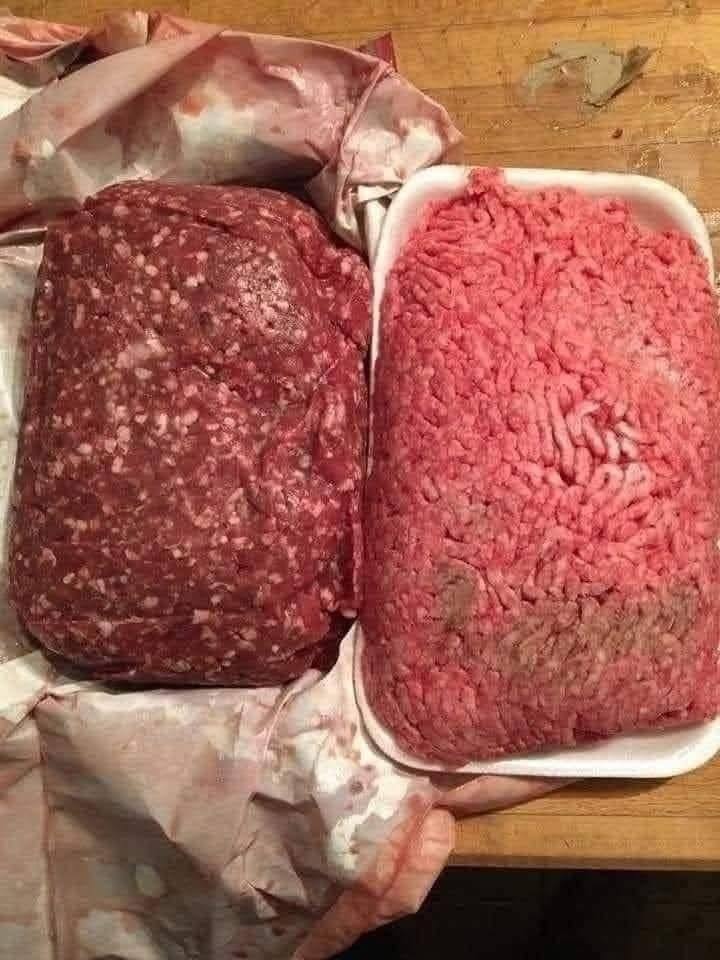
Ground beef is typically made from trimmed lean meat and fat from multiple cattle to achieve consistent fat ratios (e.g., 80/20).
What it’s not:
It is not horse, kangaroo, or condemned meat when sourced from regulated U.S. or Canadian facilities.
Major processors use:
-
Batch tracking systems
-
Lot coding
-
Increasingly, DNA verification programs
If contamination occurs, recalls are publicly posted by agencies like Food Safety and Inspection Service, and announcements are transparent and widely distributed.
💡 It’s true that a single package of ground beef may contain meat from dozens of animals—but all must pass federal inspection.
3. The Horse Meat Myth (Context Matters)
In the U.S., horse slaughter for human consumption is effectively halted because no USDA-inspected horse slaughter facilities are operating.
The 2013 European horse meat scandal involved mislabeled processed foods in Europe and did not involve U.S. fresh retail beef. That issue centered on supply-chain fraud in prepared frozen meals—not supermarket ground beef in North America.
Today, selling horse meat as beef in U.S. supermarkets would be illegal and economically irrational under federal oversight.
4. Understanding Common Labels
| Label | What It Means |
|---|---|
| Product of USA | Born, raised, and slaughtered in the U.S. (subject to current USDA labeling rules) |
| USDA Organic | Certified under USDA organic standards: no antibiotics, no added hormones, organic feed, pasture access |
| Grass-Fed | 100% grass diet (verify certification if you want strict standards) |
| No Hormones Added | Required wording for pork and poultry (hormones are not allowed in those species anyway) |
⚠️ The term “Natural” only means minimally processed with no artificial ingredients. It does not guarantee humane treatment or antibiotic-free production.
5. Where Concerns Can Arise (Less Common, but Real)
See Next Page To continue reading