The World Health Organization recommends less than 2,000 mg of sodium per day (equivalent to less than 5 g of salt).
The problem is that a dinner of ultra-processed foods can bring you close to (or exceed) that limit without you even realizing it.
Practical Change for Today
Cook with herbs and spices (garlic, onion, pepper, oregano, rosemary, turmeric) instead of “fixing” with salt.
Check labels: if a product has a lot of sodium per serving, it’s best to save it for special occasions, not for dinner.
If you already have kidney disease, be careful with potassium-based salt substitutes: they may not be suitable.
3) Red Meat and Processed Meats at Dinner (Higher Load, Lower Quality)
It’s not about “banning” them, but about understanding the impact: red meat and, especially, processed meat (sausages) are associated with a higher risk of chronic kidney disease when consumption is high and frequent.
In addition, processed meats often combine:
High sodium content
Additives
Less healthy fats
Practical Change for Today
If you’re going to eat red meat, do it earlier (at lunch) and not every day.
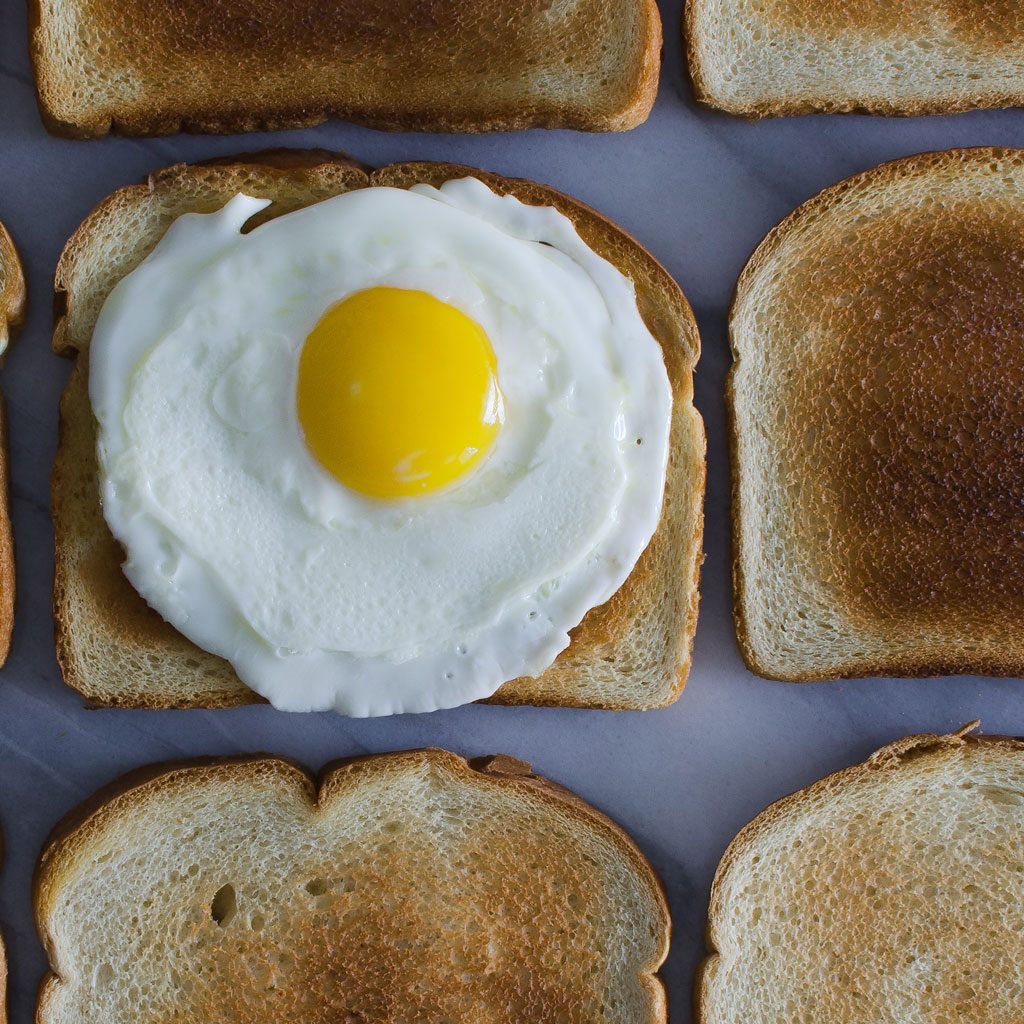
At dinner, prioritize lighter proteins: fish, skinless chicken, a suitable portion of egg, tofu, lentils, or chickpeas.
Avoid protein with hidden salt: sausages, cold cuts, and highly cured meats.
4) Poorly chosen “nighttime dairy” (it’s not the dairy itself: it’s the excess and the type)
Important: dietary calcium doesn’t necessarily increase the risk of kidney stones; in fact, for many people, adequate dietary calcium intake can be protective.
So, the focus shouldn’t be on “never dairy,” but rather on:
Large portions late at night
Highly aged and salty cheeses (due to sodium)
Combining dairy with highly processed dinners
Practical change for today
If you tolerate it well, you can use dairy in moderate portions, preferably earlier in the day.
If you eat them at night, choose less salty options without added sugar (plain yogurt, skim milk if your doctor allows it).
If you have a history of kidney stones or kidney disease, it’s best to discuss this with a healthcare professional.
What a “kidney-friendly dinner” should look like (simple and realistic): Half your plate: vegetables (cooked or raw, depending on your tolerance).
Moderate protein: fish, chicken, egg, or legumes.
High-quality carbohydrates (if needed): whole grains or root vegetables (sweet potato, quinoa, brown rice), in moderation.
Zero or almost zero ultra-processed foods.
Salt-free flavor: lemon, garlic, spices, herbs.
Tips and recommendations (to start today):
Set a curfew: try to eat dinner 2–3 hours before bedtime.
Watch your total daily sodium intake, not just at night. Limiting ultra-processed foods is often the most powerful change.
If you have high blood pressure or diabetes, dinner needs to be even more strategic: less salt, less refined sugar, and more controlled portions.
Smart hydration: drink enough water during the day; at night, adjust your intake so as not to disrupt sleep (this depends on the individual, especially if there are heart or kidney problems).
Monitor your numbers: creatinine, eGFR (estimated glomerular filtration rate), and urinalysis as directed by your doctor.
Consult a doctor immediately if you notice: frequent bloating, foamy urine, difficult-to-control blood pressure, significant changes in urine output, extreme fatigue, or persistent itching.
Disclaimer: This content is for informational purposes only and does not replace medical advice. If you already have kidney disease, heart failure, diabetes, or take diuretics/blood pressure medication, it’s advisable to adjust your diet with a healthcare professional.
After age 60, dinner can become a turning point: not because of a single “magically deadly” food, but because of the accumulation of repeated habits (refined sugar, white flour, hidden salt, ultra-processed foods, and processed meats). With simple and consistent changes, you can reduce the strain on your stomach at night and take care of an organ that often only “speaks up” when it’s already exhausted.