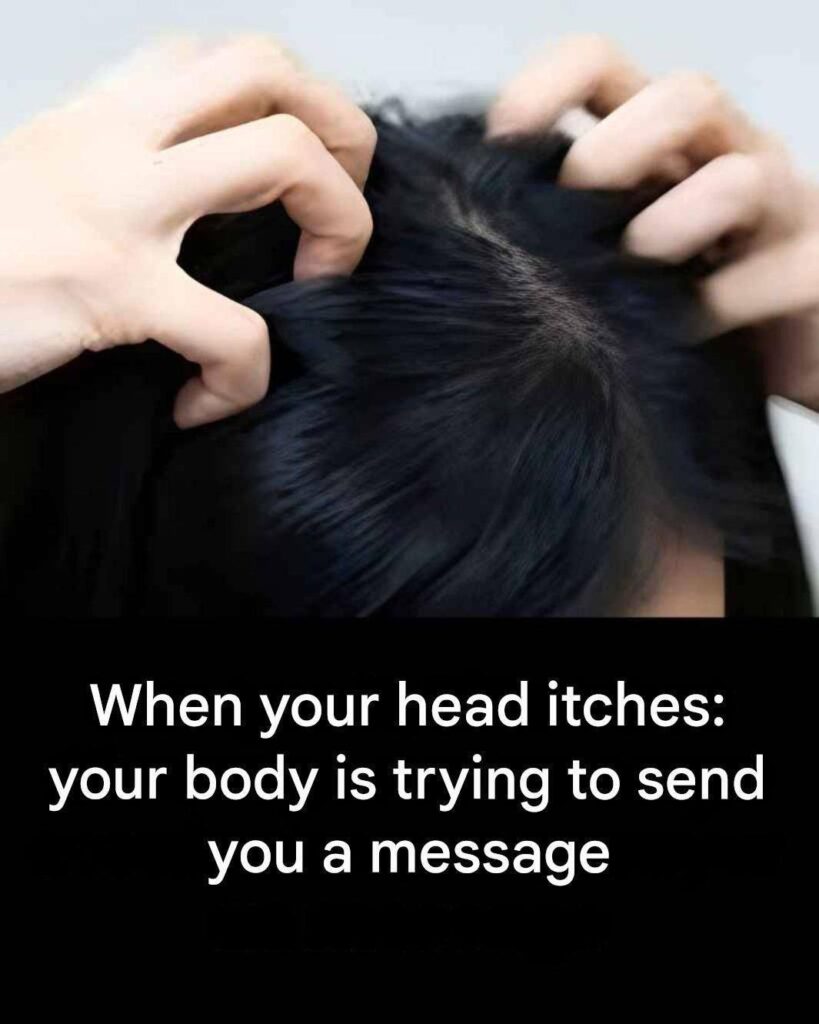
Do you know that annoying itchy feeling on your scalp that seems to appear out of nowhere — and only gets worse as the day goes on?
An itchy scalp is often your body’s way of signaling that something is out of balance. Stress, excess oil, harsh hair products, skin conditions, or even sun exposure can all play a role.
The good news? Most causes are manageable once you understand what’s behind the discomfort.
Let’s explore the most common reasons for scalp itching — and what you can do to relieve and prevent it.
1. Dandruff & Seborrheic Dermatitis: The Most Common Causes
Dandruff
Dandruff appears as small white flakes caused by excess oil production or irritation from hair products. It often leads to persistent itching — and scratching only makes it worse.
Seborrheic Dermatitis
This is a more intense, chronic form of dandruff. It causes:
-
Red, inflamed patches
-
Thick yellowish or greasy scales
-
Itching and irritation
It may also affect the eyebrows, behind the ears, and the sides of the nose.
How to Treat It:
-
Use medicated shampoos containing ketoconazole, salicylic acid, or zinc pyrithione
-
Avoid harsh styling products
-
Consult a dermatologist if symptoms last longer than two weeks
2. Psoriasis: An Autoimmune Condition
Scalp psoriasis is an autoimmune disorder that causes thick, red, scaly plaques. These patches can itch intensely and may bleed if scratched.
Treatment Options:
-
Corticosteroid lotions
-
Medicated shampoos
-
In severe cases, oral medications
-
Stress management (stress often worsens flare-ups)
If plaques are thick and persistent, professional treatment is essential.
3. Pityriasis: Dry, Scaly Patches
Pityriasis rosea can sometimes affect the scalp. It usually starts with one larger dry patch followed by smaller ones.
How to Relieve It:
-
Apply soothing, moisturizing lotions
-
Avoid scratching
-
Use gentle hair products
The condition often resolves on its own within a few weeks.
4. Fungal Infections (Ringworm)
Fungal infections like tinea capitis (ringworm of the scalp) can cause:
-
Persistent itching
-
Redness
-
Scaling
-
Patchy hair loss
What to Do:
-
See a dermatologist for diagnosis
-
Take prescribed oral antifungal medication
-
Use antifungal shampoos
-
Complete the full treatment to prevent recurrence
5. Allergic Reactions to Hair Products
Hair dyes and chemical treatments are common triggers. A key ingredient responsible for many reactions is paraphenylenediamine (PPD).
Symptoms may include:
-
Burning
-
Redness
-
Itching
-
Blisters
How to Prevent Reactions:
-
Always perform a patch test before coloring
-
Choose ammonia-free or natural dyes
-
Avoid products that previously caused irritation
6. Sunburn on the Scalp
See Next Page To continue reading