What About Manufacturers and Policy?
This study calls for:
- Better nonstick coating durability
- PFAS-free cookware innovations
- Clear labeling about microplastic risks
- Potential regulatory action to limit household PFAS exposure
As the evidence mounts, manufacturers and policymakers may face increasing pressure to address hidden plastic pollution sources.
The Bigger Picture: Microplastic Awareness Is Growing
This study is part of a larger wave of research revealing how common household items contribute to a global issue. As consumers, we play a role in reducing pollution through mindful purchases and usage habits. For companies and governments, it’s a call to action to prioritize sustainable materials and transparency.
Source:
- Raman imaging for the identification of Teflon microplastics and nanoplastics released from non-stick cookware, Science of The Total Environment, Vol. 851, Dec 2022. [Available via ScienceDirect]
Final Thought:
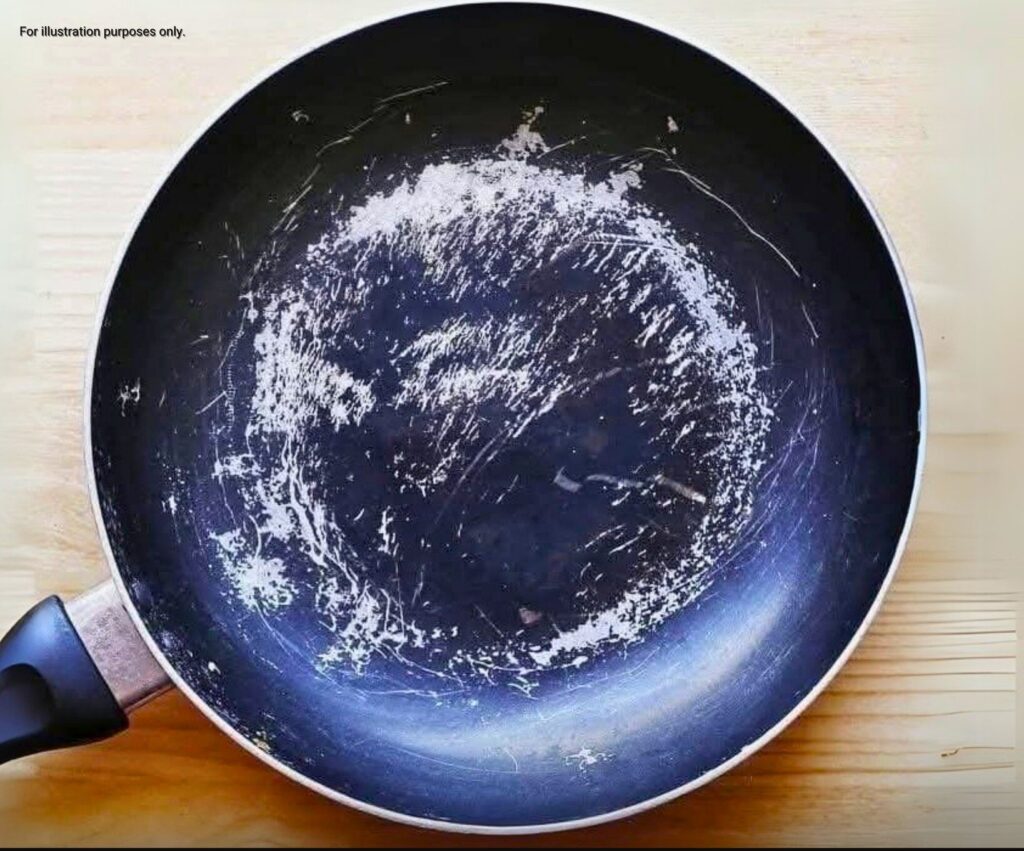
Scratched nonstick pans might seem harmless—but the microplastics they release can have long-term impacts on our health and planet. With small changes in the kitchen, and smarter product choices, we can reduce exposure and take meaningful steps toward a cleaner, safer future.