
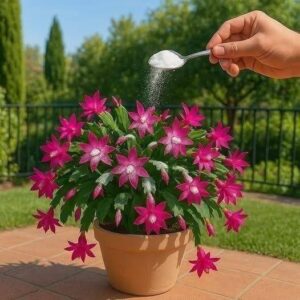
Fertilizer #2: Vegetable Charcoal – Improving Soil Health
Vegetable charcoal (often similar to horticultural biochar) is carbon-rich material made from plant matter.
⚠️ Important:
Only use untreated, pure vegetable charcoal.
Never use barbecue charcoal briquettes, as they often contain chemicals, lighter fluid residues, and salts harmful to plants.
How Charcoal Helps Soil
-
Improves soil aeration
-
Enhances moisture retention
-
Encourages beneficial microbial activity
-
Can help bind nutrients in the soil
Charcoal itself is not a major fertilizer, but it improves soil structure and nutrient retention — helping other fertilizers work more effectively.
How to Prepare a Bloom-Boosting Soil Mix
Instead of dissolving these ingredients fully in water (bone meal doesn’t dissolve well), it’s more effective to apply them directly to the soil.
Ingredients:
-
1 tablespoon bone meal
-
1–2 tablespoons finely crushed vegetable charcoal
-
500 ml chlorine-free water (optional, for moistening soil after application)
Instructions:
-
Lightly loosen the top layer of soil around the base of your plant.
-
Sprinkle bone meal and crushed charcoal evenly around the root zone (not directly against the stem).
-
Gently mix into the top 1–2 inches of soil.
-
Water thoroughly to help nutrients begin integrating into the soil.
How Often to Apply
-
Once every 3–4 weeks is typically sufficient.
-
Overuse can cause nutrient imbalance.
Watch for:
-
Increased bud formation
-
Stronger stems
-
Deeper leaf color
-
More consistent blooming
Plants That May Benefit
This soil-supporting combination may help flowering plants such as:
-
Petunias
-
Violets
-
Desert roses
-
Orchids (use cautiously and sparingly)
-
Hibiscus
-
Azaleas
Note: Some plants (like orchids and azaleas) have specific soil requirements, so always check compatibility first.
Example: Helping Petunias Bloom
Petunias are heavy bloomers but require:
-
At least 5–6 hours of sunlight daily (more is better)
-
Well-draining soil
-
Regular feeding
-
Deadheading spent flowers
When soil nutrients are balanced and light requirements are met, petunias can bloom continuously throughout the season.
Final Thoughts
Natural gardening solutions can be both effective and environmentally friendly — when used correctly.
Bone meal provides long-term phosphorus support for bloom development. Vegetable charcoal improves soil structure and nutrient retention. Together, they can create healthier soil conditions that encourage flowering.
However, remember:
Healthy blooms depend on a combination of proper light, watering, pruning, soil health, and plant-specific care.
When those factors align, your garden won’t just grow — it will flourish.