3. Skin Protection and Fall Prevention
As we age, the skin on our feet becomes thinner and more fragile. Walking barefoot on hard or cold floors can lead to:
-
Dryness
-
Cracks
-
Irritation
-
Infections
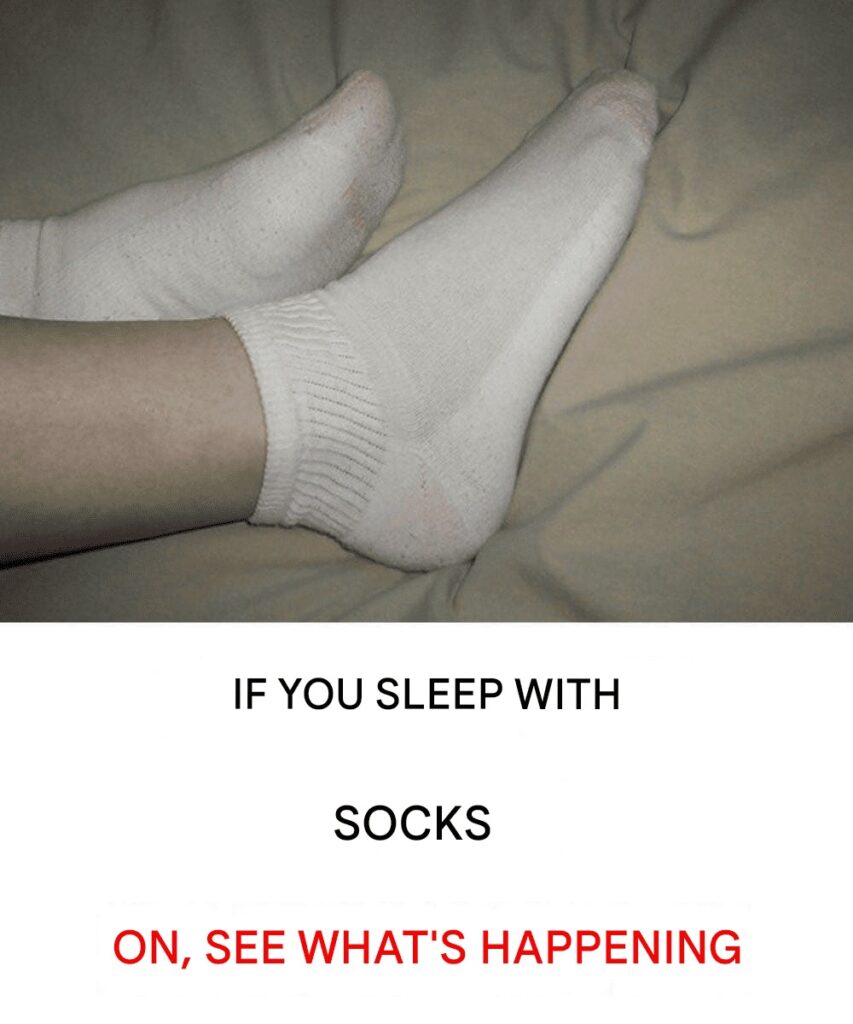
Socks act as a protective barrier, reducing friction and limiting exposure to bacteria.
For seniors living with diabetes, this protection is especially important. Even small cuts or cracks can lead to serious complications if not properly cared for.
Additionally, non-slip or grippy socks improve safety by providing traction on smooth or slippery surfaces. This reduces the risk of falls — one of the most common and serious concerns for older adults.
4. Hygiene and Choosing the Right Socks
Healthy feet start with clean socks.
To maintain foot health:
-
Change socks daily
-
Wash them in warm water to remove sweat and bacteria
-
Avoid tight elastic bands that restrict blood flow
-
Choose seamless designs to prevent irritation
Look for socks labeled:
-
“Diabetes-friendly”
-
“Light compression”
-
“Non-slip”
They should fit comfortably — not too tight, not too loose.
Investing in a few high-quality pairs can significantly improve daily comfort and long-term health.
Conclusion
Wearing socks indoors may seem like a small habit, but for seniors, it can make a meaningful difference.
From improving circulation and sleep to protecting skin and preventing falls, this simple choice supports overall well-being in powerful ways.
Sometimes, comfort and health begin from the ground up.